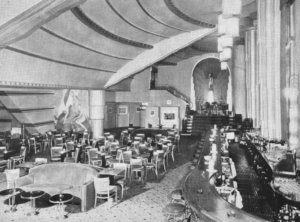
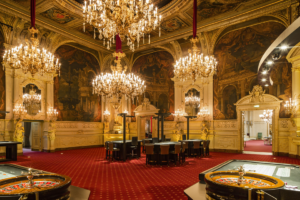
Vintage Photography of Monte Carlo Casino in the 1930s
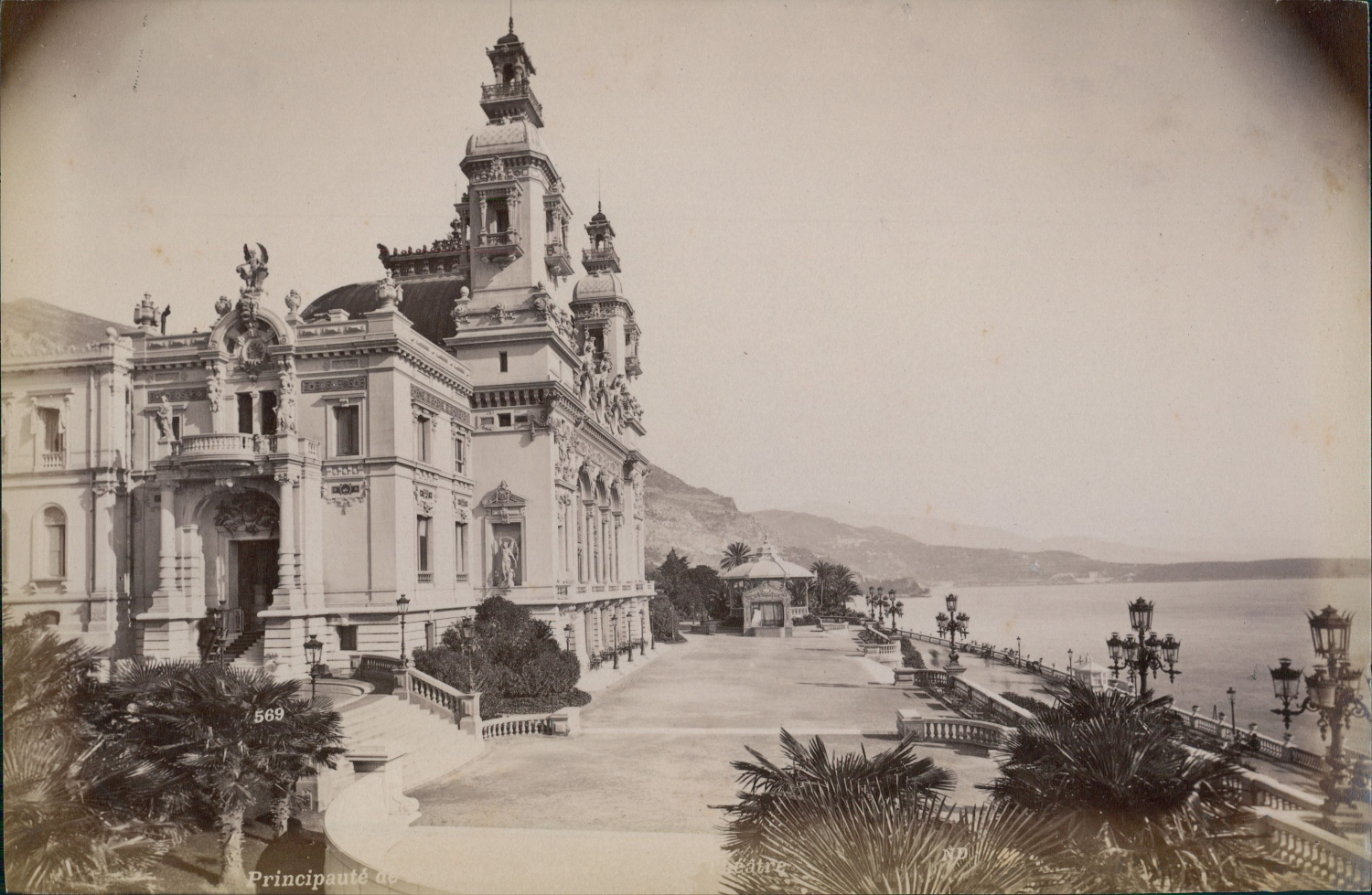
Step back with us to the 1930s, when Monte Carlo Casino was a shimmering beacon of high-stakes glamour and European high society. Against a backdrop of global economic depression and rising political tension, the Principality of Monaco stood as an oasis of opulence and escapism. This blog post from the Springfield Photographs archive explores a remarkable collection of documentary photography from 1929 to 1935, capturing the very soul of this legendary establishment. Through these images, we witness the architectural magnificence, the elite patrons, and the intricate social rituals that defined the Monte Carlo experience during its interwar zenith.
The Golden Age of Monte Carlo: A 1930s Snapshot
While the world outside grappled with the Great Depression, Monte Carlo’s casino thrived, solidifying its reputation as the playground of aristocracy, industrialists, and exiled royalty. This era represents a fascinating paradox: a sanctuary of excess maintained through careful curation and strict social codes. The period also coincided with a revolution in how such scenes were documented, as photographers moved from bulky equipment to more discreet, faster cameras.
The Casino as a Sanctuary
For Europe’s wealthy elite, Monte Carlo offered more than just gambling; it was a secure, neutral territory where status and protocol reigned supreme. The casino’s strict entry requirements—enforced via dress codes and membership—guaranteed an exclusive clientele. This created a self-contained world where the anxieties of the outside could be momentarily forgotten at the roulette wheel or baccarat table, a social phenomenon keenly observed and preserved by the documentary photographers of the age.
Documentary Photography’s New Tools
The candid, atmospheric shots that define this archive were made possible by technological advances. The introduction of portable 35mm cameras, most notably the Leica, allowed photographers to work unobtrusively in available light. This was a stark departure from the formal, staged portraits of earlier decades. Photographers could now capture the genuine dynamism of the gaming floors, the unguarded expressions of concentration and elation, and the fluid social interactions that characterised the casino’s ambiance.
Architectural Grandeur Through the Lens
The Beaux-Arts splendour of the Monte Carlo Casino, designed by Charles Garnier, was a subject of awe in itself. Period photographers treated the building not just as a backdrop, but as a central character—a symbol of engineered fantasy and timeless luxury.
The Facade and Atrium
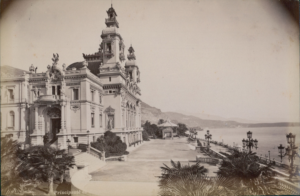
Exterior shots from the early 1930s emphasise the casino’s palatial, imposing presence. The grand entrance, flanked by sculptures and towering palms, is often framed to draw the viewer’s eye towards its ornate doors—a literal gateway to another world. Inside, photographs of the iconic atrium, with its magnificent marble pillars and gilded detailing, establish a sense of scale and ceremony that patrons would experience before even reaching the gaming salons.
Interior Opulence: Gaming Rooms & The Salle Garnier
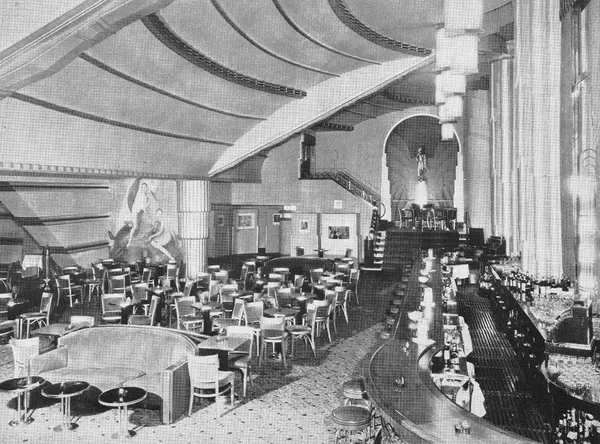
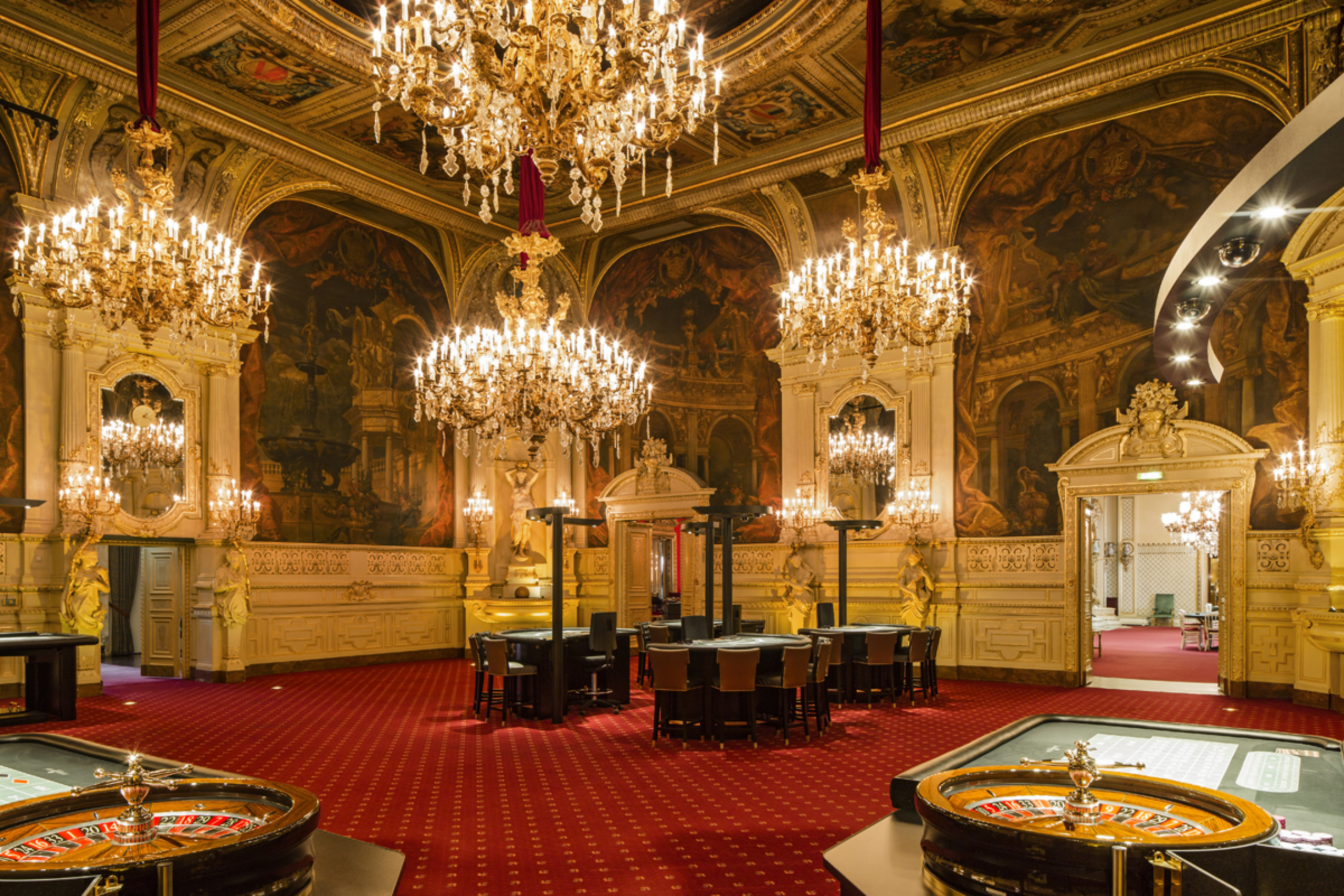
Beyond the atrium, photographers documented the intricate interiors where fortune was won and lost. The lavish gaming rooms, with their frescoed ceilings, crystal chandeliers, and sumptuous tapestries, are captured in rich detail. A focal point for both patrons and photographers was the Salle Garnier, the casino’s opera house. Images of its magnificent auditorium, often empty and silent before a performance, highlight the seamless fusion of high art and high-stakes gambling that was central to Monte Carlo’s identity.
Portraits of Play: The Patrons and Personalities
The true essence of Monte Carlo is found in its people. The photographic archive from 1929-1935 serves as an anthropological study of a unique social microcosm, freezing in time the fashions, manners, and hierarchies of the casino floor.
High Society and Royalty
The clientele was a who’s who of European nobility and celebrity. Men in immaculate tailcoats and women in elegant gowns and jewels are captured deep in concentration at the tables. Among the regulars was the UK’s Lord Derby, a prominent statesman and racehorse owner, whose presence at the baccarat tables was well noted. These images are less about gambling and more about the performance of wealth and social standing.
The Croupiers and Staff
In stark contrast to the patrons stands the casino staff, immortalised in their uniformed professionalism. Photographs of croupiers—their expressions neutral, their movements precise—highlight the disciplined machinery that made the glamour possible. These images reveal the human architecture of the casino: the impeccably dressed attendants, the waiters serving champagne, and the watchful inspectors, all essential players in the nightly theatre.
Beyond the Tables: The Casino’s Cultural Orbit
Monte Carlo’s allure extended far beyond the green baize tables. The casino was the radiant core of a full-spectrum luxury ecosystem, which contemporary photographers diligently chronicled.
The Terrace and Promenade
Daylight scenes shift focus to the famous terrace overlooking the Mediterranean. Here, the same society figures seen at night are now captured taking the sun, reading newspapers, or engaging in leisurely conversation. The promenade and gardens, with their pristine landscaping, provided a stage for seeing and being seen—a crucial aspect of the social ritual.
Nightlife and Entertainment
After the tables, the night continued at venues like the legendary Café de Paris. Photographs from this adjacent hotspot show a more relaxed, though no less stylish, atmosphere of dining, dancing, and socialising. This wider documentation underscores that a visit to Monte Carlo was a holistic experience, where gambling was just one part of a curated lifestyle of pleasure.
The Art and Technique of Vintage Casino Photography
Capturing the spirit of Monte Carlo in the early 1930s presented significant technical hurdles. The photographers whose work we archive were masters of their craft, overcoming limitations with skill and artistic vision.
Mastering Low-Light Conditions
The prohibition of flash photography in the gaming rooms was absolute, to maintain the atmosphere and not disturb patrons. This forced photographers to rely on fast lenses, sensitive film stocks (often grainy), and long exposures. The resulting images, with their pools of light falling on tables and faces amidst shadowy surrounds, perfectly convey the intimate, focused intensity of the casino floor.
Composing the Decisive Moment
With slower film and lower light, timing was everything. Photographers had to anticipate the peak of action—the roll of the ball, the turn of a card, the reaction of a winner. This pursuit of the “decisive moment” resulted in powerfully narrative compositions. Key techniques included:
- Using architectural elements to frame scenes naturally.
- Focusing on hands and faces to tell a story without context.
- Capturing reflections in mirrors or polished surfaces to add depth and voyeuristic intrigue.
- Utilising the available artificial light from chandeliers and table lamps to create dramatic contrast.
Preserving the Legacy: From Negative to Archive
The fragile glass plate negatives and early film rolls from this period are historical artefacts in their own right. At Springfield Photographs, our mission is to ensure these visual documents survive for future generations, offering irreplaceable insights into European social and architectural history.
Our Conservation Work
Each acquired negative undergoes a meticulous archival process. This involves climate-controlled storage, careful digital scanning at high resolution to capture every detail, and minimal, sympathetic restoration to stabilise the image without erasing the authentic patina of age. This work allows us to study the photographs not only as beautiful images but as precise historical records.
A Comparative Glimpse: Baden-Baden and Beyond
Monte Carlo did not exist in a vacuum. Our archives also contain contemporaneous imagery of other European casino resorts, allowing for fascinating comparison. The spa town of Baden-Baden in Germany, for instance, offered a more subdued, therapeutic brand of gambling within its Kurhaus casino. Placing images of Monte Carlo’s theatrical glamour alongside Baden-Baden’s neoclassical elegance enriches our understanding of the varied roles these institutions played in interwar European society.
These remarkable photographs from 1929 to 1935 preserve far more than the likeness of a famous building. They capture the very essence of a vanished social world—a delicate ecosystem of privilege, performance, and escapism. Through the skilled lenses of early documentary photographers, we are granted a privileged glimpse into the golden twilight of European high society, centred around the timeless allure of the Monte Carlo Casino.