A Visual Archive: Historical Images of Baden-Baden’s Casino
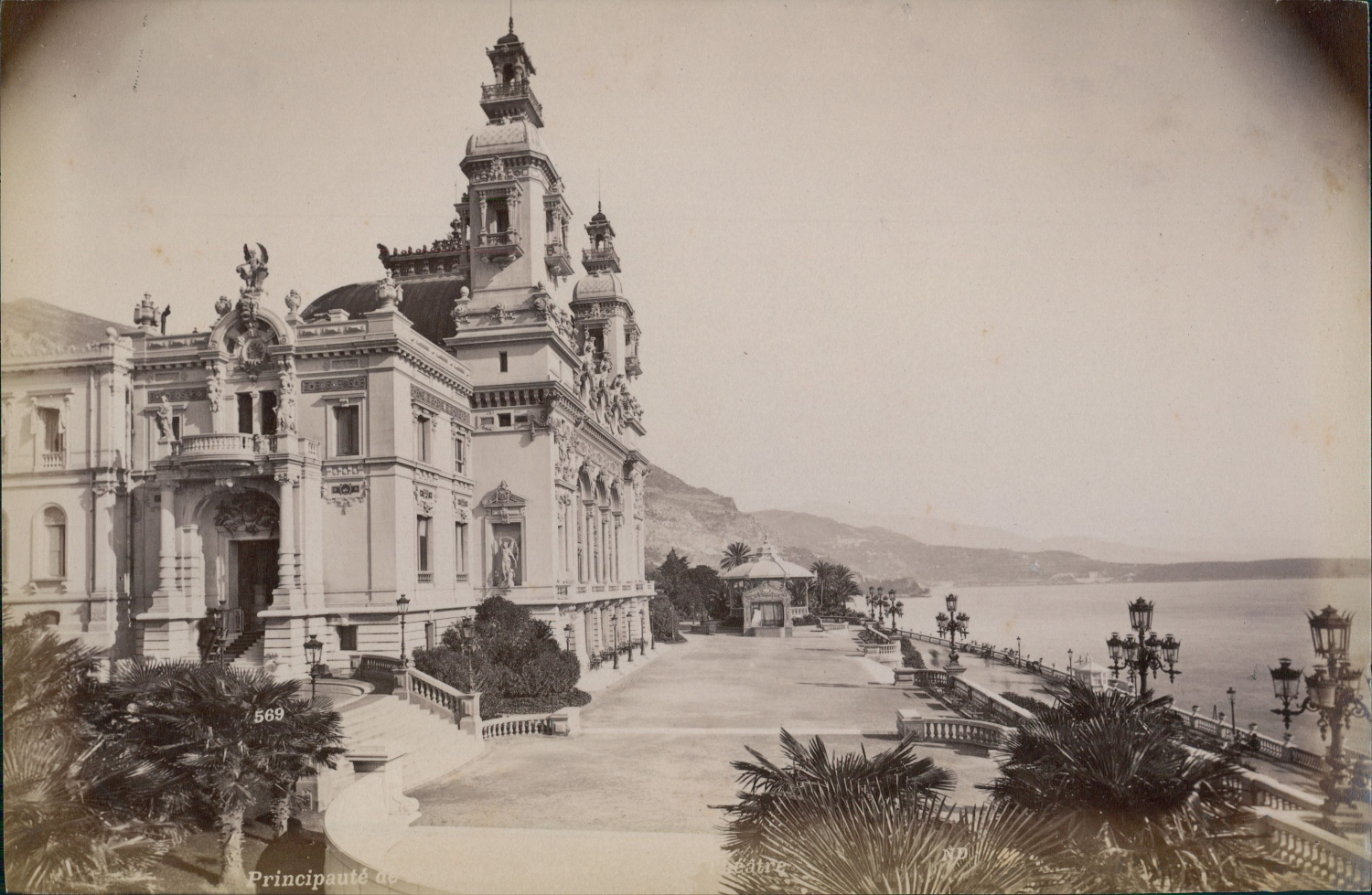
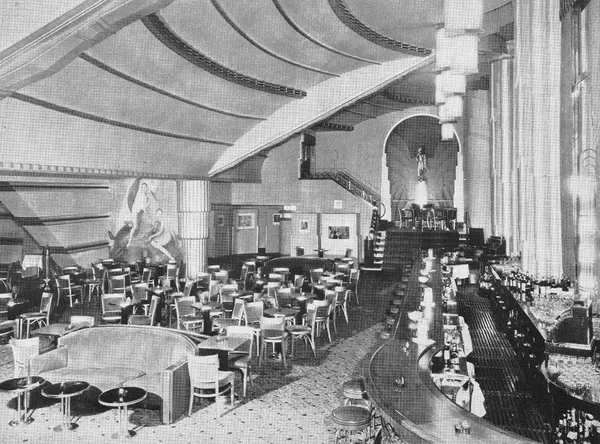
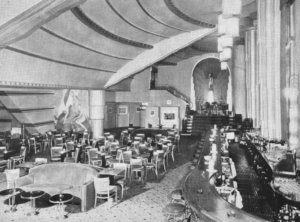
Step back with us into the opulent, smoke-hazed world of Baden-Baden’s famed Spielbank, a magnet for European aristocracy and clandestine thrill-seekers during the interwar years. This curated collection, drawn from our historical photography 1929 1935 archive, offers an unvarnished portal into the rituals and grandeur of one of the continent’s most exclusive gaming salons. These vintage gambling photos capture more than a game; they document a pivotal era of European social history, preserved now within our dedicated European casino archives.
Baden-Baden’s ‘Summer Capital’: The Casino’s Golden Age
By the late 1920s, the casino at Baden-Baden had cemented its status as the undisputed ‘Summer Capital’ of Europe, a title rivalled only by Monte Carlo. Nestled in the Black Forest, the town was a sanctuary for the elite, particularly the British aristocracy, who were drawn by its restorative waters and its sophisticated, discreet gambling tables. The casino’s operation under a state concession, a system notably similar to the one used in Monte Carlo, ensured an aura of regulated exclusivity.
The Social Epicentre of Europe
From May to September, the town’s population swelled with royalty, industrial magnates, and literary figures. Notable visitors included the Prince of Wales (later Edward VIII), whose presence signalled the resort’s cachet. Accessibility for the British elite was streamlined by companies like Thomas Cook, which organised regular tours to the spa town, integrating it into the Grand Tour of continental leisure.
Architecture of Opulence: The Kurhaus
This social theatre was housed within the magnificent Kurhaus complex, designed in the 1820s by Friedrich Weinbrenner in a neo-classical style. The building’s elegant colonnades and sweeping grandeur did more than define Baden-Baden’s skyline; its architectural language directly influenced the development of British Victorian spa towns, most notably Cheltenham. The Kurhaus was a statement of curative and cultural ambition, with the casino as its glittering centrepiece.
Inside the Spielbank: A 1929-1935 Visual Tour
Our archive provides a rare, systematic visual tour of the casino’s interior during its interwar peak. Photographers like Martin Hürlimann, working with meticulous composition, focused on the atmosphere and architecture of play, creating a document that feels both intimate and formal.
The Grand Salle des Jeux
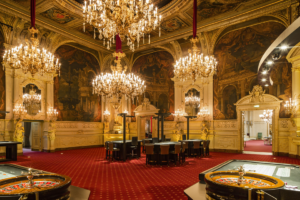
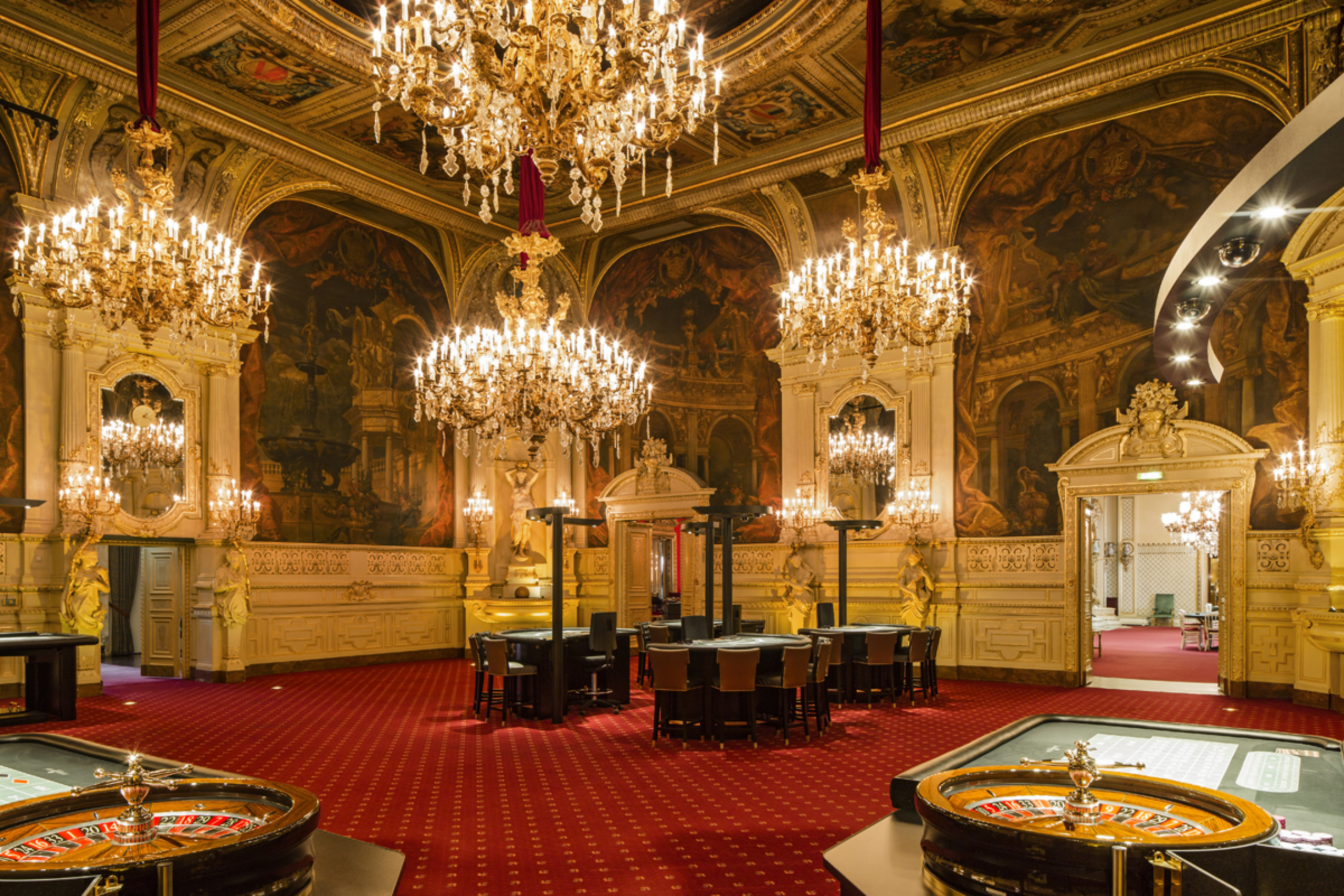
The heart of the action was the Grand Salle des Jeux, a cavernous hall adorned with crystal chandeliers, gilded stucco, and plush carpets. The photographs clearly show the serious congregations around the roulette and baccarat tables, the focal points of the evening. The mood is one of concentrated calm, a stark contrast to the potential fortunes changing hands.
Rituals of Play and Propriety
Every image underscores the strict codes governing behaviour. The unspoken rituals of play and propriety are evident in the formal dress—tailcoats and evening gowns were mandatory—and the composed demeanour of both patrons and croupiers. The scene is one of regulated elegance, where emotion was considered the height of poor taste.
The Faces of Fortune: Patrons and Personalities
The subjects within these frames are as compelling as the setting. The archive reveals a curated cross-section of interwar European high society, frozen in moments of leisure and speculation.
Aristocracy at Leisure
The crowd was a mix of titled Europeans, Russian émigrés, and German industrialists. The prevalence of British patrons is notable, a testament to the town’s specific appeal. Their presence was as much about social positioning and networking as it was about gambling, a performance of status conducted under the chandeliers.
The Unseen Stories in Every Frame
True to the documentary style of the period, the photographs rarely capture overt emotion. Instead, they hint at narratives: the intense focus of a player tracking the roulette ball, the quiet conversation between a couple, the watchful eye of the casino attendant. These unseen stories invite the viewer to ponder the personal dramas hidden behind the masks of decorum.
Documentary Style: The Photography of an Era
The technical and aesthetic approach of these images is characteristic of late 1920s and early 1930s documentary photography. Photographers navigated significant constraints to create a lasting artistic record.
Composing Grandeur: Technical Constraints as Art
Working primarily with available artificial light and slower film stocks, photographers relied on sturdy tripods and careful timing. The widespread adoption of cameras like the Leica I (introduced in 1925) allowed for more discrete framing, yet the prevailing style remained formal and composed. The challenges of low light often resulted in images where the glow of the chandeliers and table lamps defines the scene, casting the players in a dramatic, almost theatrical light.
A Record, Not a Revelation
The aim was archival preservation, not sensational revelation. This was a record of a social institution, shot with a sense of respect for its subject. The aesthetic hallmarks of this approach include:
- Balanced, symmetrical compositions that echo the room’s architecture.
- A deep depth of field, keeping both foreground and background in sharp focus.
- The use of high-quality materials, such as Ilford paper, a respected British brand favoured for its tonal range and longevity, for the original silver gelatin prints.
Baden-Baden vs. Monte Carlo: A Tale of Two Temples of Chance
While both stand as pillars of European casino history, Baden-Baden and Monte Carlo cultivated distinctly different identities during this golden age, a key editorial focus of our comparative archives.
Contrasting Atmospheres
Monte Carlo, with its dramatic Mediterranean setting and the iconic Casino de Monte-Carlo, was a spectacle of sun-drenched glamour and audacious risk. Baden-Baden offered a more discreet, inland alternative. It was framed as a “curative” resort, where gambling was almost a therapeutic diversion alongside the thermal spas—a retreat for the northern European elite seeking refinement over flamboyance.
The British Affinity for Baden-Baden
The British aristocracy, in particular, showed a marked affinity for Baden-Baden’s restrained elegance. The environment felt more akin to a luxurious country house party set in a German forest, compared to the cosmopolitan intensity of the French Riviera. This preference solidified Baden-Baden’s role as a crucial node in the social circuit, distinct from Monte Carlo’s jet-set allure.
Preserving the Legacy: From Silver Gelatin to Digital Archive
These images are physical artefacts of a bygone era, and their survival is not guaranteed. Our mission extends beyond collection to active preservation, ensuring this visual history remains accessible for future generations.
The Fragility of History
The original prints in our collection, many on Ilford paper, are vulnerable to the ravages of time: silver mirroring, foxing, emulsion cracking, and chemical degradation. Each photograph is a delicate object, sensitive to light, humidity, and improper handling.
Our Digitisation Mission
We employ a meticulous digitisation process using high-resolution calibrated scanners to capture every detail and tonal nuance of the original. This serves two vital purposes: it creates a back-up record of the fragile physical object, and it allows us to share these Baden-Baden historical photos with a global audience, enabling detailed study and appreciation without risking the originals.
We invite you to linger on these frames, where the quiet drama of a glance or the drape of a jacket speaks volumes about a vanished world of European leisure.