European Casino Photography from the Inter-War Period
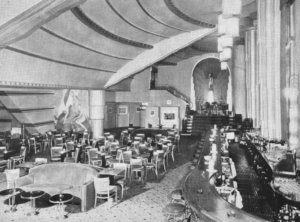
Step back with us into the glamorous yet turbulent world of European casinos between the wars, a period uniquely captured by documentary photographers. The years from 1929 to 1935 were a study in contrasts: a fleeting return to opulence shadowed by the Great Depression, where casinos became stages for escapism, social stratification, and historical change. Through the lenses of both known and anonymous photographers, we have a priceless record of this era—a visual archive of architecture, fashion, and human drama centred on the roulette wheel and the baccarat table.
The Golden Age of Monte Carlo: A Photographer’s Playground
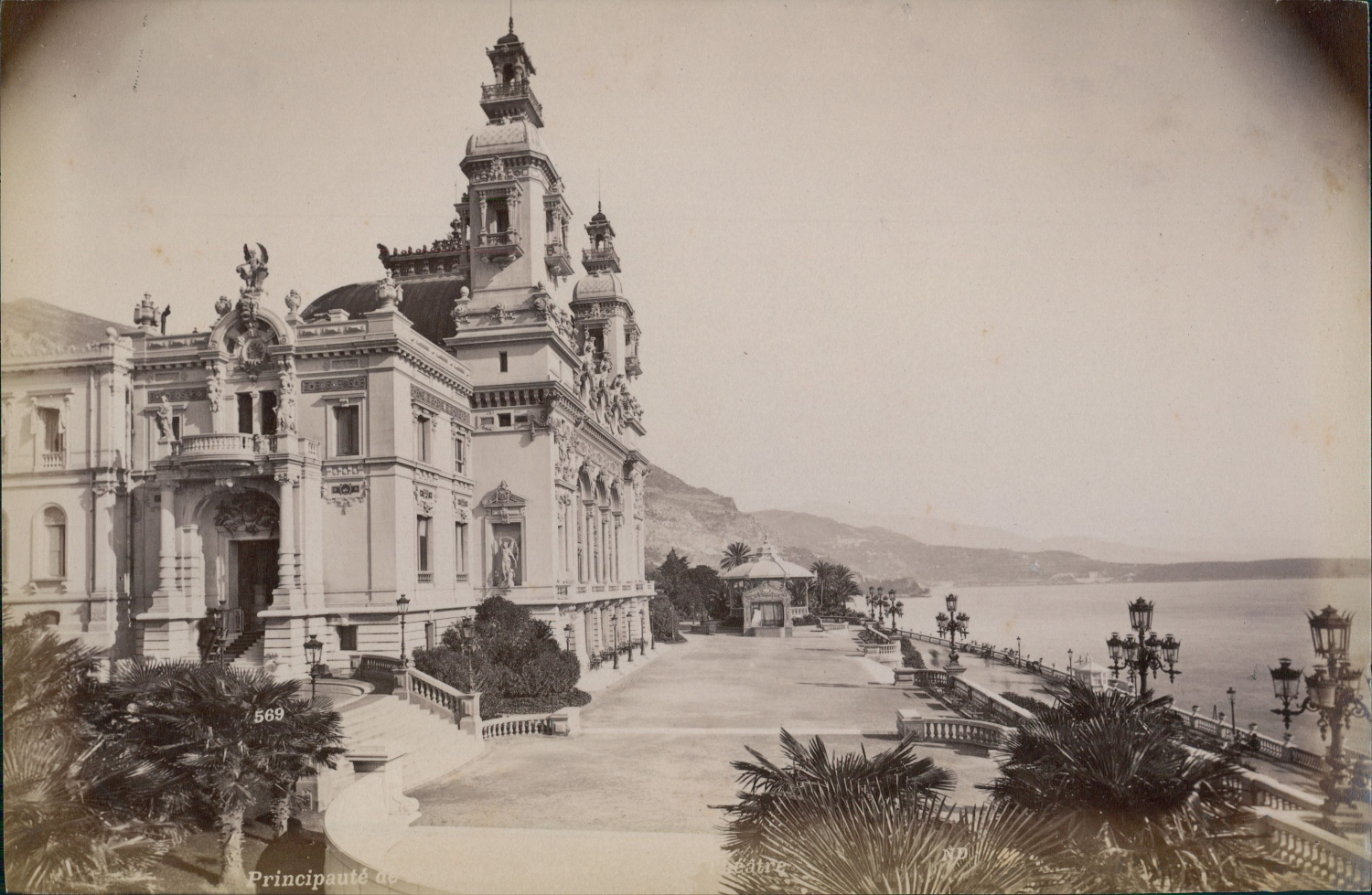
The Casino de Monte-Carlo, operated by the influential Société des Bains de Mer (SBM) in Monaco, stood as the undisputed epicentre of luxury and intrigue during the inter-war years. For photographers, it was a captivating subject, offering endless scenes of ornate interiors and the international elite at play. The period saw the casino solidify its reputation as a playground for royalty, industrialists, and celebrities, all documented in striking detail.
Architectural Grandeur Through the Lens
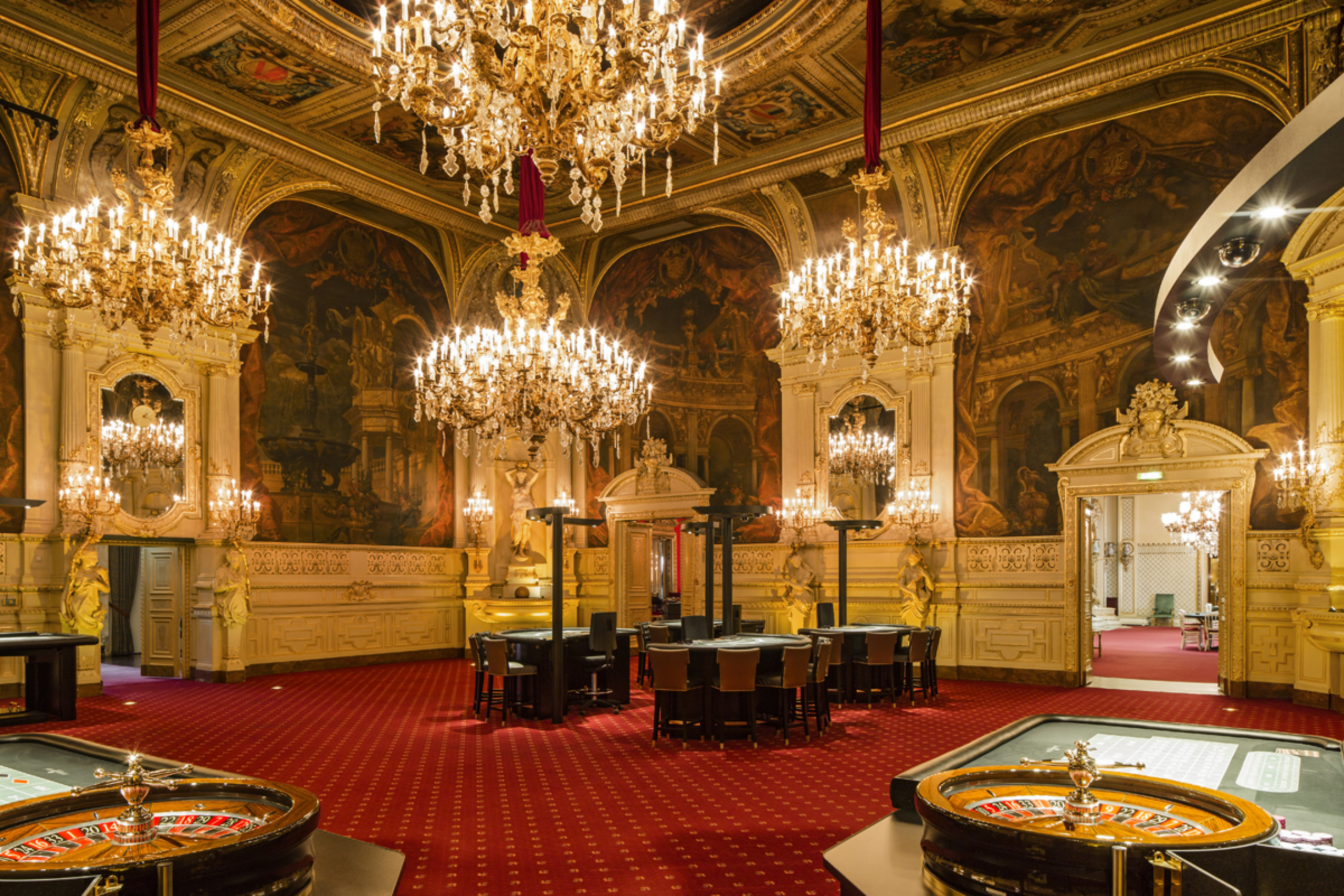
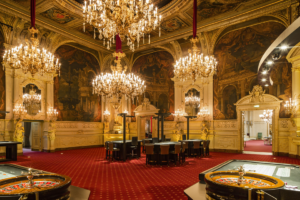
Photographers meticulously framed the Beaux-Arts splendour of the building, from the iconic atrium with its onyx columns to the gilded gaming rooms. Particular focus was given to the Salle Garnier, the opera house within the casino complex, where the interplay of light on crystal chandeliers and velvet drapes was a favourite subject. These images served as propaganda for Monaco’s project of luxury tourism, showcasing a world of seemingly untouched affluence.
Portraits of High Society and High Stakes
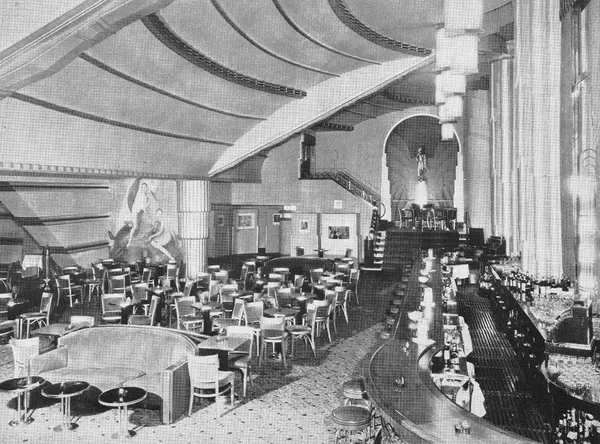
Beyond architecture, the candid and posed portraits of patrons are invaluable. Photographers captured the intense concentration at chemin de fer tables, the frivolity in the bar, and the elegant procession of fashion in the hallways. These photos often discreetly highlighted the high stakes involved, both financial and social, preserving the faces of a generation that sought solace in risk amidst global uncertainty.
Beyond the Riviera: Baden-Baden and Continental Spas
While Monte Carlo glittered, the allure of the continental spa-casino offered a different, more therapeutic brand of elegance. These establishments, often in picturesque towns, promoted a combination of health retreat and sophisticated gambling, a duality perfectly captured in the photography of the era.
The Kurhaus Casino: Elegance in the Black Forest
The Kurhaus Casino in Baden-Baden was a prime subject, with photographers drawn to its neoclassical colonnades and serene setting in the Black Forest. The images from this period contrast the formal, almost medicinal atmosphere of the spa with the thrilling tension of the gaming rooms. Photographs show well-dressed guests taking the waters by day and crowding around roulette tables by night, a testament to the dual identity of these resorts.
The Spa-Casino Culture Across Europe
This culture extended to other towns like Spa in Belgium and Vichy in France. The photography from these locations often emphasised the natural surroundings and grand hotel architecture, framing gambling as just one aspect of a refined holiday. The work subtly documented the persistent flow of wealthy, often aristocratic, Europeans moving between these resorts, maintaining a lifestyle that was increasingly anachronistic.
The British Scene: From London Clubs to Seaside Resorts
The UK’s gambling landscape presented a stark contrast to the open casinos of the Continent, shaped heavily by The Gaming Act of 1845. This legal framework pushed high-stakes gambling into exclusive private members’ clubs while allowing for more popular forms of gaming in designated resorts, a social divide clearly visible in period photography.
London’s Private Gaming Clubs
Establishments like The Crockford’s club in London were the haunts of the political and social elite. Photographs from inside these clubs are rare due to their secretive nature, but extant images show sombre, wood-panelled rooms where men in evening dress engaged in serious play. The photography is often more restrained, focusing on the atmosphere of exclusive privilege rather than overt glamour.
The Rise of the British Seaside Casino
In contrast, the popular gaming rooms in seaside resorts like Blackpool’s historic gaming rooms were documented with a more vibrant energy. Photographers captured day-trippers and holidaymakers enjoying games of chance in a more boisterous, accessible setting. These images are vital social records, showing the democratisation of leisure and the specific British interpretation of casino culture, far from the formality of Monte Carlo.
Documentary Intent: More Than Just Glamour Shots
The photographers working between 1929 and 1935 were often influenced by the rising social documentary movement and modernist styles. Their work within casinos thus frequently transcends mere promotion, capturing the underlying tensions and realities of the age.
Capturing Social Contrast and Economic Reality
Astute photographers framed shots that revealed the service staff alongside the patrons, the anxious glances of those on losing streaks, or the slightly worn edges of opulent decor. In the wake of the 1929 crash, these images can be read as documenting the last gasp of an old order, where the performance of wealth continued despite growing economic anxieties outside the casino doors.
The Influence of Pictorialism and New Objectivity
Stylistically, the archive shows a fascinating blend. Some photographers employed a Pictorialist soft focus to romanticise the scene, while others adopted the sharper, more dispassionate eye of the New Objectivity movement, treating the casino as a social laboratory. This technical approach allowed for a multi-faceted historical record that is both aesthetically pleasing and critically insightful.
Preserving the Frame: Challenges of Archival Casino Photography
The survival of these visual documents is a minor miracle, given the specific preservation challenges they face. Our archival work involves not just saving the images, but rescuing the rich historical context that gives them meaning.
Material Vulnerabilities: Nitrate and Acetate
Many negatives from this era were shot on nitrate or early acetate film stocks, which are highly unstable. The degradation process includes:
- Nitrate film: Highly flammable and prone to melting into a solid mass if not stored in cold, dry conditions.
- Acetate film: Suffers from ‘vinegar syndrome’, where the base decomposes, releasing acetic acid and destroying the image.
- Silver gelatin prints from the period are also at risk from improper handling, light exposure, and acidic mounting materials.
Our digitisation process must often work with fragile, deteriorated originals to recover as much detail as possible.
The Importance of Context and Provenance
A photograph of a roulette table is historically impoverished without knowing its location, date, and photographer. Many casino photos have lost their provenance over time. Our cataloguing work involves detective-style research—cross-referencing interior details, fashion, and even newspaper society columns—to accurately place these images back into their historical moment, ensuring they function as true documentary evidence.
These photographs are far more than mere relics of a bygone era. They are vital visual documents that capture the fragile glamour, complex social rituals, and underlying tensions of Europe navigating the precarious years between the wars. Each frame offers a window into a world where chance and fortune were pursued with a poignant urgency, forever frozen by the camera’s shutter.